Ice or heat for back pain? Here's how to know which one to use
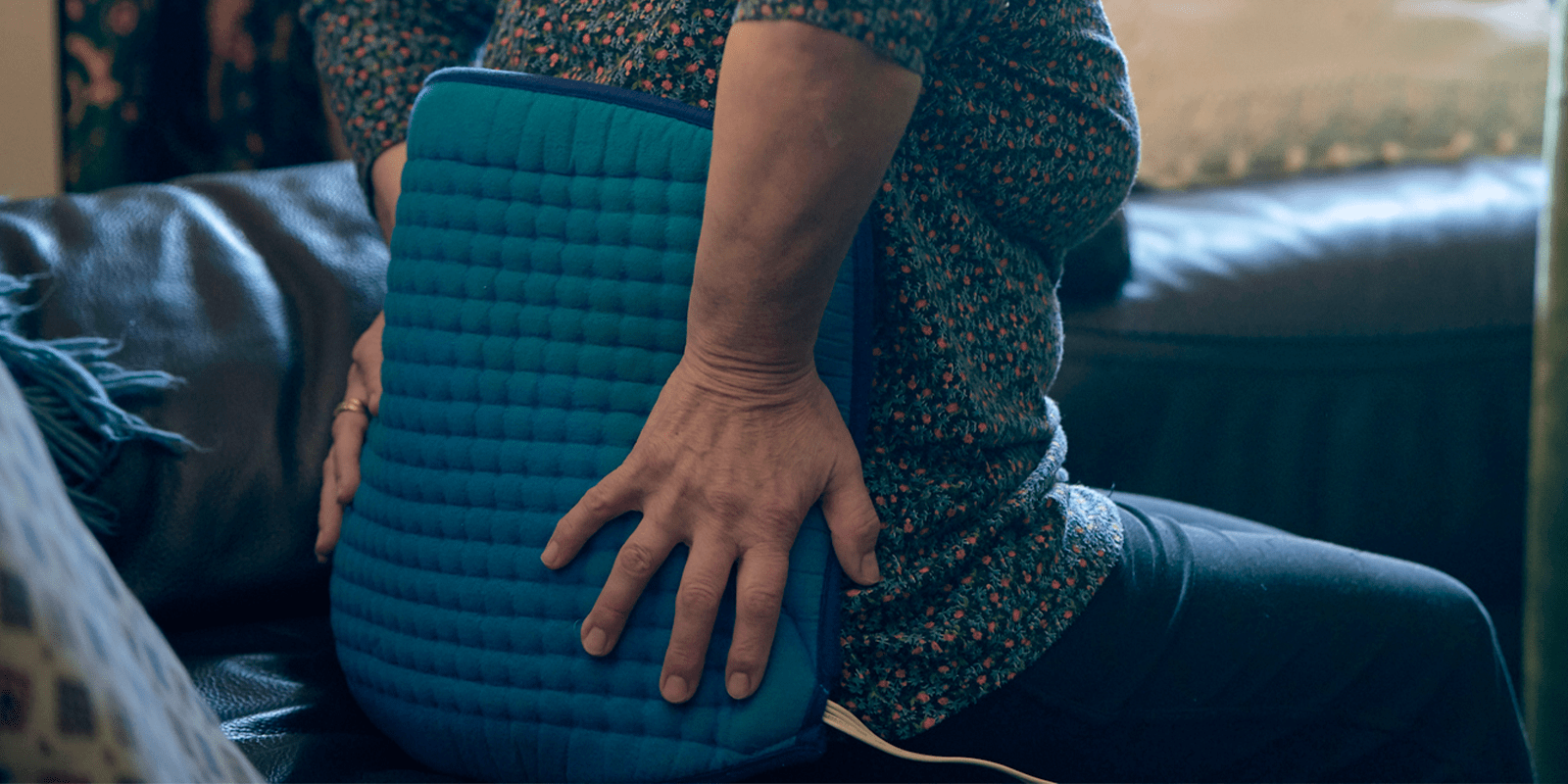
Ice may be useful for new pain, swelling or inflammation, while heat may help relax tight muscles and ease stiffness. Here's how to decide what to try at home — and when to see a doctor for back pain.
Back pain has a way of showing up at the worst possible time. Maybe you lifted something heavy, sat too long at your desk or simply woke up with a stiff back.
When it strikes, one of the first questions you may Google is: Should I use ice or heat for back pain?
The answer depends on what's causing your back pain and how long you've had it. Ice and heat therapy can both provide lower back pain relief, but they work in different ways. Knowing when to reach for an ice pack versus a heating pad can help ease symptoms safely while your body recovers.
"One of the biggest myths is that there's one right answer for every type of back pain," says Dr. Bradley Hawkins, medical director of Urgent Care and Occupational Health at Ascension Sacred Heart. "Whether you should use ice or heat depends on what's causing your symptoms and how long you've been experiencing them."
Ice or heat for back pain: What's the difference?
When your back hurts, both ice and heat can sound appealing. But they do different jobs.
For most people, ice is best for new back pain, swelling or inflammation, while heat is often better for muscle tightness, stiffness and ongoing aches.
Cold therapy helps reduce inflammation and temporarily numb pain. Heat therapy increases blood flow, relaxes muscles and can make it easier to move comfortably.
"Think of ice as helping calm an irritated area," Dr. Hawkins says. "Cold therapy can reduce swelling and temporarily numb pain, while heat is better at relaxing tight muscles and improving blood flow."
In some cases, using both therapies at different stages of recovery may provide the greatest relief.
When should you use ice for back pain?
If your back pain is new or came on after a strain or overuse, an ice pack is often a good place to start.
An ice pack is usually most helpful during the first 24 to 48 hours after symptoms begin. Cold therapy may help reduce swelling, calm inflammation and temporarily ease pain.
You may benefit from cold therapy if you have:
- New lower back pain or a sudden flare-up
- Pain after a muscle strain or minor injury
- Swelling or inflammation
- Sharp pain after overuse or strenuous activity
- Soreness after exercise or physical work
Keep in mind that ice doesn't treat the underlying cause of back pain. Instead, it may help manage symptoms while your body heals.
How to use ice safely
Before you press a pack of frozen peas against your back and hope for the best, take a few steps to protect your skin.
To use cold therapy safely:
- Wrap an ice pack or bag of frozen vegetables in a thin towel
- Apply it for 15 to 20 minutes at a time
- Wait at least an hour before reapplying
- Never place ice directly on your skin
- Avoid falling asleep with an ice pack on
Talk with your doctor before using ice if you have poor circulation, nerve damage or reduced skin sensation.
When should you use heat for back pain?
If your back feels tight, stiff or achy — the kind of pain that makes you move a little slower when you stand up — heat may be the better choice.
Aheating pad for back painis often the better choice when your muscles feel tense, stiff or sore rather than swollen.
Heat therapy may help:
- Muscle tightness
- Back stiffness
- Muscle spasms
- Chronic or recurring back pain
- Pain that improves with gentle movement or stretching
Heat increases blood flow to the area, which may help muscles relax and reduce discomfort. For many people with ongoing lower back pain, heat can make everyday activities more comfortable.
Healthcare providers also often recommend combining heat with gentle movement, like walking or gentle stretching. While short periods of rest can be helpful, prolonged bed rest may actually slow recovery for many types of back pain.
How to use heat safely
“Heat should feel soothing, not intense,” says Dr. Hawkins. “If you have to grit your teeth or your skin feels too hot, turn it down or take a break.”
To get the benefits of heat therapy:
- Use warm, not hot, heat
- Try a heating pad, warm bath, warm shower or moist heat pack
- Apply heat for 15 to 20 minutes at a time
- Don't sleep with a heating pad turned on
- Use extra caution with older adults, children and anyone with reduced sensation
- Stop using heat if it increases swelling or makes your pain worse
Can you alternate ice and heat?
Yes. Some people find that alternating ice and heat for back pain provides additional relief, especially after the first day or two of a flare-up.
"There's nothing wrong with trying both if it feels good," says Dr. Hawkins. "Many patients naturally transition from ice during the first day or two of a flare-up to heat as inflammation settles and stiffness becomes the bigger issue."
Pay attention to how your body responds. If one therapy consistently helps more than the other, it's reasonable to continue using the approach that provides the most relief.
H2: What else can you safely try at home for back pain?
Ice and heat are only part ofback pain treatment at home. Other strategies may also help you recover.
Here are some at-home back pain relief methods Dr. Hawkins suggests:
- Staying gently active with short walks or light movement
- Avoiding prolonged bed rest
- Trying gentle stretches if they're comfortable
- Using over-the-counter pain relievers, such as NSAIDs or acetaminophen, if they're safe for you and recommended by your healthcare provider
- Practicing good posture and body mechanics
- Avoiding heavy lifting during an acute flare-up
- Staying hydrated
- Finding a comfortable sleeping position
If your back pain doesn't improve or keeps returning, your primary care doctor may recommend additional treatment, such as physical therapy, prescription medications or other therapies based on the cause of your symptoms.
When should you see a doctor for back pain?
Most back pain is not an emergency. But that doesn’t mean you should ignore pain that’s severe or not improving.
It’s a good idea to call your doctor if you have:
- Back pain after a fall, car accident or other trauma
- Severe or worsening pain
- Pain that lasts longer than a few weeks or that keeps coming back
- Pain that travels down one or both legs
- Numbness, tingling or weakness
- New problems with bowel or bladder control
- Fever, unexplained weight loss or a history of cancer
- Pain that makes it difficult to work, sleep or perform daily activities
Getting the right diagnosis can help identify the underlying cause of your back pain and ensure you receive the most appropriate treatment.
How to get back pain relief
When deciding between ice vs. heat for back pain, try to listen to what your body is telling you.
If your pain is new, follows an injury or is accompanied by swelling, ice is often the better first choice. If your back feels stiff, tight or achy without inflammation, heat may provide greater relief by relaxing muscles and improving circulation.
While these home remedies can help manage many cases of mild back pain, they aren't a substitute for medical care.
If your back pain is severe, keeps coming back or is affecting your daily activities, talk with your doctor. They can help identify the cause of your symptoms and recommend the treatment plan that's right for you.
Next steps and helpful resources
Last updated: septiembre 23, 2026